Healthy Ministry Transitions 4: How to Know When to Leave
Transition is one of the most sacred and stretching parts of leadership. Whether you’re stepping out of a ministry role, shifting responsibilities, or discerning a brand-new assignment, to know when to leave is just as important as knowing when to arrive. Healthy transitions require prayer, discernment, humility, and courage—and the truth is, God usually begins the transition long before anything becomes public. There are definitely ways to be sure to know when to leave a ministry position.
About a year ago, my husband, Dr. Michael Spivey, and I walked through a significant transition of our own. After years of pastoring, the Lord led us into a new season with Convoy of Hope. It was beautiful and bittersweet, full of clarity and full of questions. We talked about it a little bit on this podcast episode if you want to take a listen! Also, you can catch up on the first two blogs in this current series here.
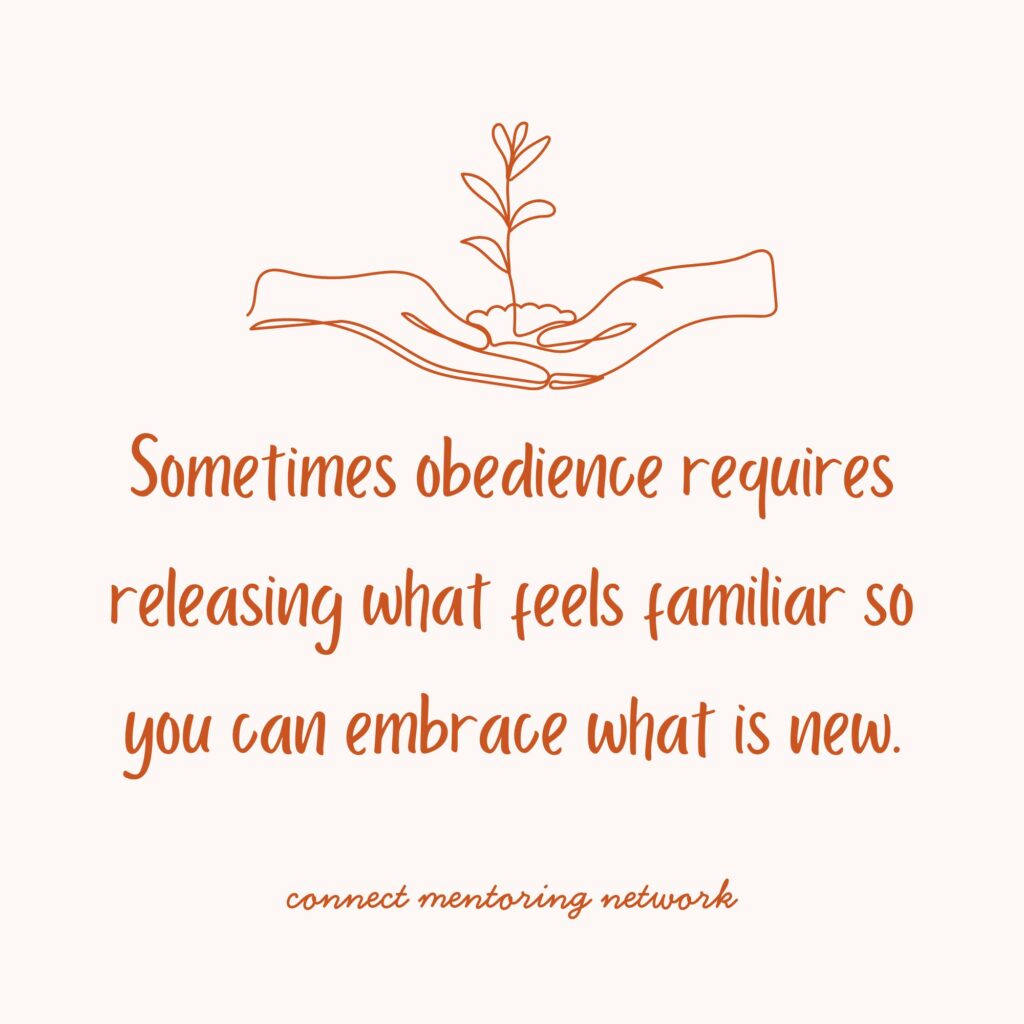
That journey reminded me of a truth every leader eventually encounters: Sometimes obedience requires releasing what feels familiar so you can embrace what is new.
We didn’t step into that transition overnight. It was a slow, persistent work of the Holy Spirit—a lifting of grace from one assignment and a gentle descent of new grace for what was coming next.
My prayer is that this offers clarity, confirmation, and courage as you seek God’s direction for your next season. I am saying "know when to leave" - a dear friend of mine calls it having "quitting sense". I love that too! Whatever you call it, let's learn about this aspect of a healthy transition: it's vital to know when to leave.
Know When to Leave a Ministry Position
Before any external shift takes place, God nearly always begins the transition internally. One of the earliest signs that a ministry season may be coming to a close is a stirring—a subtle, unmistakable restlessness that signals something under the surface is changing.
Nothing was “wrong” in our context. The church was healthy. Ministry was fruitful. People were thriving. We loved our church and had made our lives there. Yet, Michael began feeling something he couldn’t ignore: a loss of peace in places that had always felt steady.
He describes the early days of that season like this: “I wasn’t unhappy or frustrated. I just felt… unsettled. And at first, I assumed something needed to change within the church. But the more I prayed, the more I realized the unsettled feeling wasn’t about the church at all—it was about us.”
I remember him praying, "Lord, what is next for the church?" I also remember the morning when Michael told me, "The Holy Spirit impressed upon me that I've been asking the wrong question. He wants me to ask what is next for us". This was confusing to me - wasn't what was next for the church also what was next for us? Those were the same things, surely - we've been here for 17 years! We aren't leaving.... are we?
The answer came in the form of a job offer which confirmed what the Lord was speaking to our hearts.
Here’s the pattern many leaders experience: first, God will often disrupt your comfort. Second, He redirects your calling. Wondering how to know when to leave? These were a few gentle signals from the Lord to us.
Romans 8:14 reminds us, “For those who are led by the Spirit of God are the children of God".
Discernment begins with leaning in—paying attention to the quiet shifts in your heart even when everything around you still feels normal.
Know When To Leave a Ministry Position: Common Early Signs God May Be Redirecting You
If you’re sensing something shifting but can’t quite put words to it, here are a few early signs many leaders describe:
- A growing sense that your current assignment is complete
- A desire for deeper challenge or fresh ministry impact
- A lack of peace that doesn’t match the outward fruit
- A burden for something new that won’t go away
- An inner knowing that remains even when circumstances look stable
These subtle indicators often serve as the first breadcrumbs on the path toward transition. These help you know a change may be coming, help you know when to leave a ministry position. Please notice: you can know when to leave even on a good day! We've said this often, but let's just keep saying it: a change of season doesn't mean that anything was wrong. We can move from one good thing to another good thing.
When the Lord moves you, it may mean that your purpose has been fulfilled and that's a cause for joy, even in the midst of the sadness of going.
Know When to Leave a Ministry Position: When Familiarity Keeps You Too Long
One of the greatest risks for leaders is staying longer than God intended—not because of rebellion, but because staying feels easier than leaving.
As Michael said on the podcast: “The devil you know is better than the devil you don’t know.” Maybe it's humorous, but it’s also true: Sometimes familiarity masquerades as faithfulness.
We hold onto what is predictable, what we can manage, what we’ve mastered. But comfort is not the same as calling. We must be able to discern and know when to leave. Your exit is every bit as important as your arrival.
What Happens When You Stay Too Long
Staying past your God-appointed season can lead to:
- personal and spiritual stagnation
- ministry momentum slowing
- frustration, restlessness, or resentment
- burnout
- unintentionally blocking the next leader God is preparing
A helpful discernment question is: “Am I staying here out of obedience—or out of comfort?”
Sometimes the simple fact that you’re asking that question is evidence that God is already leading you toward the next step. You need that "quitting sense", you need to know when to leave.
How to Know When to Leave a Ministry Position: Seeking Wise and Godly Counsel During Transition
Transition was never meant to be discerned alone. Scripture is clear: “Where there is no guidance, a people falls, but in an abundance of counselors there is safety". — Proverbs 11:14
When Michael sensed a shift coming, he reached out to three men—trusted mentors, seasoned pastors, and a retired ministry leader who knew him well enough to tell him the truth. These trusted men could answer questions and give wisdom specific to Michael, because they knew our hearts well.
He didn’t come asking for applause—he came asking for alignment. Their wisdom blessed me as well, and brought Michael and I into unity for the next steps.
Why Counsel Is Essential
Wise counsel can:
- confirm what the Holy Spirit is already showing you
- help untangle emotions from genuine calling
- speak truthfully about your gifts and blind spots
- help guard against fear-based decisions
- offer stability and clarity in the fog of transition
Community isn’t optional in a ministry transition—it’s a lifeline.
How to Know When to Leave a Ministry Position: Seeking Wise and Godly Counsel During Transition: Following God When the Destination Isn’t Clear
Perhaps the most challenging part of discerning signs it’s time to leave a ministry position is this: God often calls you to move before He shows you where you’re going.
Michael and I weren’t handed a five-year plan. No detailed roadmap. Just a nudge, a stirring, a sense of grace shifting… and then an unexpected phone call from our next ministry assignment in the form of a job offer.
For many leaders, transition looks a lot like Abraham’s story: “By faith Abraham obeyed and went, even though he did not know where he was going.” — Hebrews 11:8
Just a thought on Abraham - he didn't hesitate. Genesis 22:3 says, "Abraham rose early in the morning.... and went to the place of which God had told him". He rose early - no procrastination, just obedience. What a beautiful example. We are also a beautitful example ourselves when we know when to leave.
The Tension of Obedient Transitions
When God calls you forward, you may feel:
- excitement
- vulnerability
- fear
- hope
- grief
- anticipation
This tension doesn’t mean you’re doing it wrong. It often means you’re right where God wants you—dependent, listening, and surrendered. We are to be led by the Lord, not led by our emotions. Feel all the things - and also obey!
Obedience becomes worship when it requires trust. The first step is the moment you know when to leave - and you obey.
How to Know When to Leave a Ministry Position: Seeking Wise and Godly Counsel During Transition: Practical Signs
If you’re seeking clarity, here are prayerful questions to help you discern whether a transition may be approaching:
1. Is there a persistent lack of peace in your current assignment? Not momentary discomfort—sustained uneasiness.
2. Has fruitfulness decreased despite your faithfulness? Sometimes decreased fruit is a sign the season is complete.
3. Are doors closing that used to be easy to walk through? Closed doors are often divine protection.
4. Are you staying out of comfort rather than obedience? Comfort can be the greatest threat to calling.
5. Is God stirring a new burden or calling that won’t go away? Some passions are seeds for the next assignment.
Transition is not running away from something negative—it’s responding to God’s invitation. You can be successful, you can be happy, you can be settled - and God can call.
How to Know When to Leave a Ministry Position: Seeking Wise and Godly Counsel During Transition
Every time you say “yes” to God, blessing follows—not always immediately, but always faithfully.
For Michael, stepping into his new role with Convoy of Hope opened unexpected doors to invest in pastors, ministers, and churches across the nation. His years of experience became tools God now uses to strengthen leaders walking through their own transitions.
This is true for you too: You carry treasures from this season that God intends to multiply in the next.
Psalm 32:8 promises, “I will instruct you and teach you in the way you should go; I will counsel you with my eye upon you.”
God doesn’t lead you blindly. He leads you lovingly.
How to Know When to Leave a Ministry Position: Courage for Your Next Season
Transition is rarely easy, but it is always purposeful.
If God is stirring your heart, trust Him.
If He is closing a door, release it with gratitude.
If He is calling you forward, step boldly—even when the outcome isn’t clear.
As Dr. Spivey so simply put it: “Fear not. If God is leading you, take that sense of adventure and see what He might do in your life.”
Healthy ministry transitions are an act of stewardship. When you follow God with open hands, He writes stories more beautiful than anything you could have written on your own.
Your next “yes” may be the doorway to the greatest fruitfulness of your life.
Healthy Ministry Transitions: Call to Action
You can know when to leave - and it can still be tough! If today’s reflection spoke to your heart, I’d love for you to join me on this week’s podcast episode where we continue the conversation. Make sure you’re subscribed over at @JenniferWSpivey so you never miss what’s coming next.
You’re also invited to visit www.connectmentoringnetwork.org for mentorship opportunities and practical resources created with you in mind. I'd recommend the "Transition Tool Box" e-courses as a great start!
Walking in obedience—whether in ministry transitions or any season of change—positions us to receive God’s blessing, and that is a gift worth pursuing.
Thank you for spending this time with me. I’m honored to walk beside you as we seek God’s wisdom, lean into His faithfulness, and steward our ministry responsibilities well. Healthy transitions begin with a willing, obedient heart. Let’s commit to embracing the tools and truths God gives us to lead faithfully.

Legal
Privacy Policy2025 - Copyright. All Rights Reserved. Made by Arising Co.